One-Day Course
Wednesday, November 18; 8:30am – 5:00pm
Dr. Ellen Miseo, Miseo Consulting
Dr. Jeff D’Agostino, Specac, Inc.
COURSE DESCRIPTION
Users of FT-IR spectrometers may have received little or no formal training in spectroscopy and therefore cannot distinguish between “good” and “bad” spectra. In this course, we will show many of the problems that are commonly encountered with FT-IR spectra measured by inexperienced (and often experienced!) users and show how to avoid them. Problems can appear from the instrument, the sample accessory and/or presentation. Since the bulk of the samples that are currently analyzed are done by Attenuated Total Reflection we will cover it in detail. We will also address common problems associated with other accessories. We will also be including a “tricks of the trade” component to the class.
WHO SHOULD ATTEND
This course is designed for scientists and engineers running infrared spectra who want to understand what constitute good spectra and how to achieve that using a variety of sampling techniques. It is particularly aimed at those students who are not familiar with all the sampling techniques available and how they impact the quality of the spectrum.
TOPICS
We will address tips and tricks which are not typically taught in most training situations and address typical contaminants found in infrared spectroscopy.
- Reflection spectroscopy including ATR, Diffuse Reflection and Reflection Absorption
- The effect of poor contact on internal reflection elements
- Not fully covering the beam in an internal reflection element
- Band distortions from all types of reflection spectra
- The effect of front surface reflection on diffuse reflection spectra
- Measurement Effects
- Spectral shifts introduced on vignetting (changing the beam diameter or shape)
- The effect of resolution on interpretation and spectral searching
- Assigning a structure based on the first hit of a spectral search
- Transmission spectroscopy
- The effect of scattering, thick samples, temperature changes and air bubbles on solution spectra
- The effect of atmospheric water vapor and carbon dioxide
- Interference fringes
- Artifacts seen on spectral subtraction
ABOUT THE INSTRUCTORS
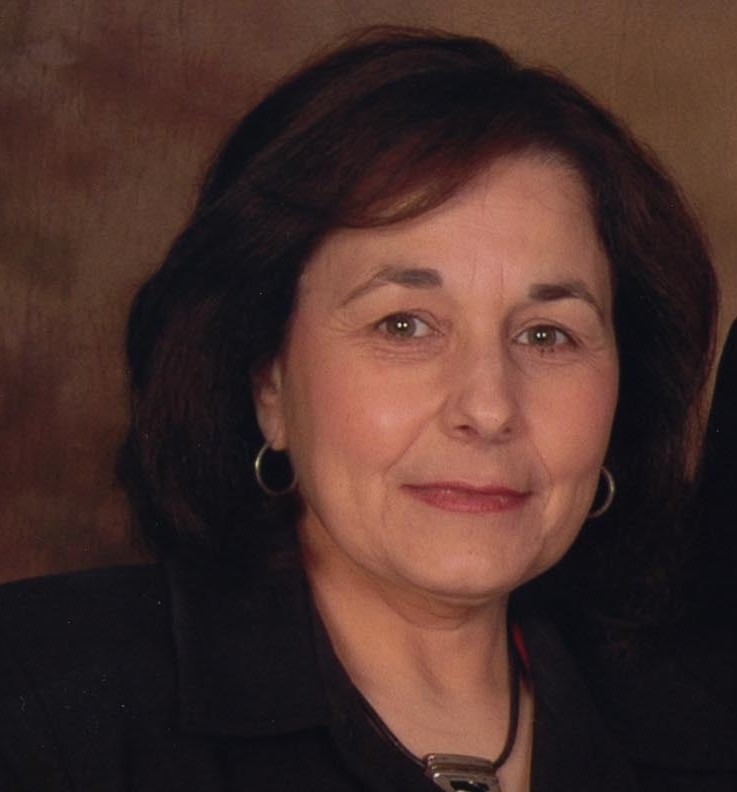
Ellen Miseo has practiced infrared spectroscopy for her entire career. Her primary interest is in infrared microscopy and infrared imaging. Her accomplishments include development of equipment as well as foreseeing customer trends and adapting to them. Dr. Miseo is Past President (2016) of the Society for Applied Spectroscopy and a member of the Coblentz Society and the American Chemical Society.
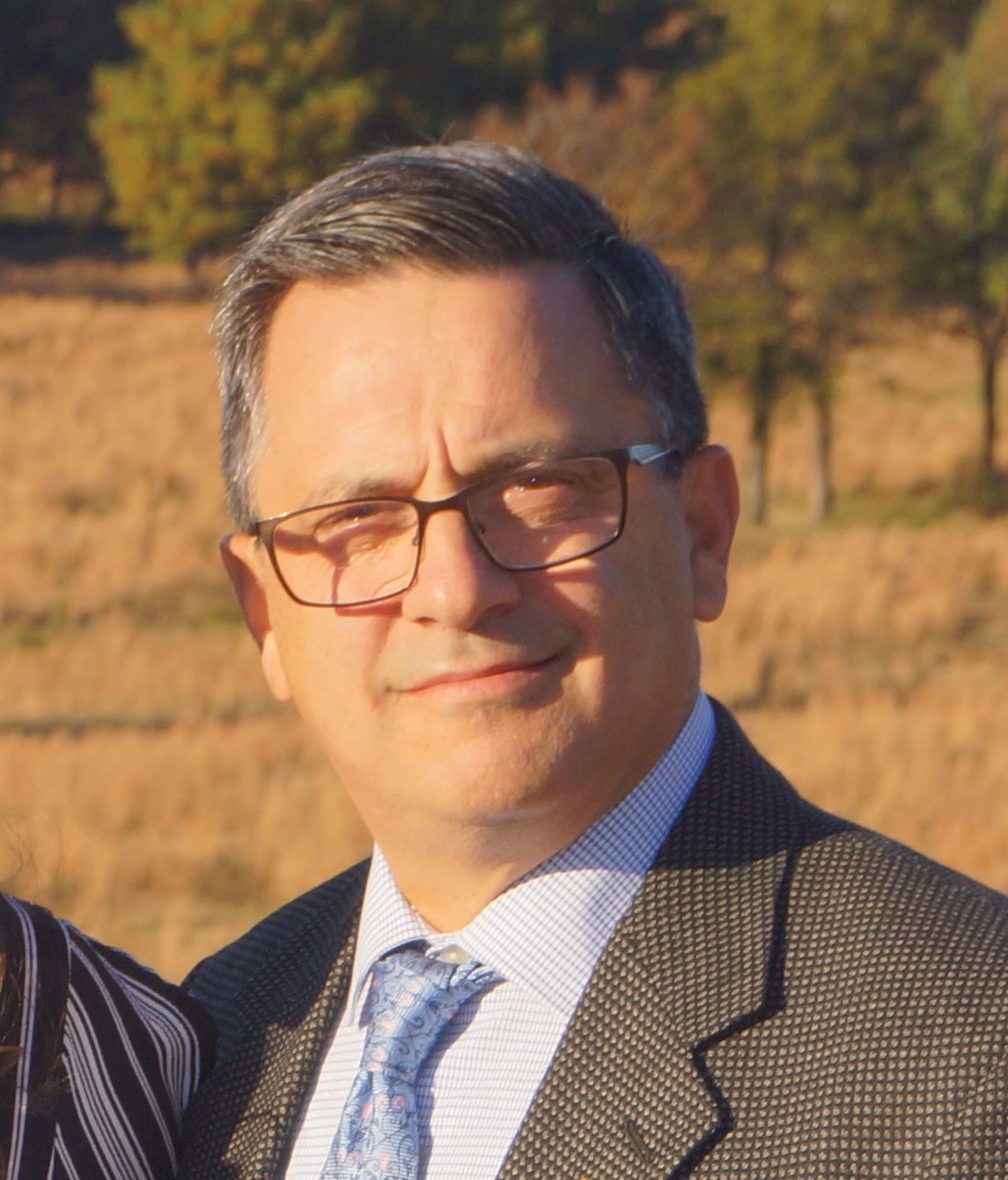
Jeff D’Agostino has been in the FT‐IR spectrometer accessory business for 35 years and has worked for the three of the top four FT‐IR spectrometer accessory companies. Jeff has had many positions as applications chemist, customer support representative, product manager, product training instructor, as well as in sales and marketing. He has participated in the concept, design and function of new IR spectrometer accessories. Jeff is a member of the Coblentz Society, the Society for Applied Spectroscopy, and American Chemical Society.